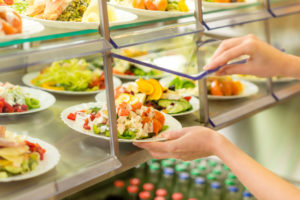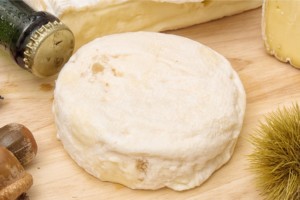

Listerien in der Gastronomie

Listeria in the Food Service Industry: New Requirements in Force Since 1 July 2026

Since 1 July 2026, stricter requirements regarding Listeria monocytogenes in certain ready-to-eat foods have applied in the EU. Switzerland has also incorporated the corresponding regulation into the Swiss Hygiene Ordinance (HyV; SR 817.024.1). This issue is also relevant for restaurants, hotels, caterers, and institutional food service operations—especially when ready-to-eat meals are purchased, prepared, stored under…
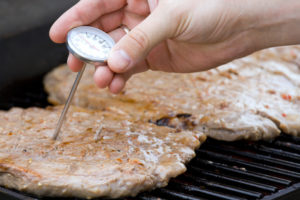
Correctly Heating Core Temperatures – an Often Underestimated Risk in Gastronomy

Insufficient heating of food is currently one of the most frequently neglected issues identified during inspections in gastronomy and collective catering. Poultry is particularly critical, as it carries a high risk of pathogenic microorganisms such as Salmonella and Campylobacter. Legal and Professional Requirements (CH & DE) Both in Switzerland (HyV, Food Hygiene Ordinance) and in Germany (LMHV, EU Regulation 852/2004), it is clearly stipulated…
Schneidebrett Holz oder Plastik

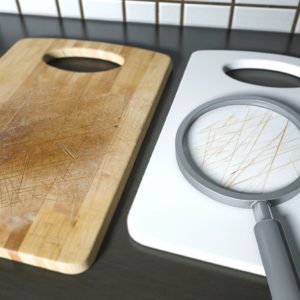
Chopping boards: wood or plastic?

The question of which material is more hygienic for chopping boards, wood or plastic, is discussed time and again. Plastic can be cleaned in the dishwasher at very hot temperatures, but according to a study, wood also has an antibacterial effect and is therefore a good and natural alternative. Hygiene requirements Strict guidelines apply to…

Storage & food serving temperatures

The storage temperature plays a major role for food. On the one hand, perishable food should remain fresh and of high quality and, on the other, no pathogenic germs should grow. Microorganisms multiply more slowly at low temperatures, which slows down the multiplication of bacteria and thus spoilage. In principle, the critical zone in which…
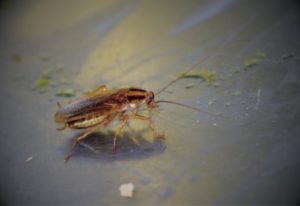
Cockroach

“Hygiene enemy” – cockroach: pest control in gastronomy

Cockroaches are more than just a nuisance in the kitchen. They are notorious as a “hygiene enemy” and can cause serious health problems. Here’s what you need to know to keep your restaurant or kitchen safe. Why are Cockroaches Dangerous? Cockroaches carry pathogens such as salmonella and tuberculosis bacteria, as well as parasites that can…

Bacillus cereus

HACCP, Microbiology, News
Bacillus cereus is an undemanding soil germ. It is motile, rod-shaped, facultatively anaerobic and can form spores under adverse conditions. In the form of spores, for example, the bacterium survives the cooking process, which is why it cannot be killed by pasteurization. Bacillus cereus, on the other hand, is sensitive to acids. It is a…
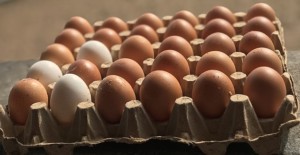
Eggs in egg box

Salmonella in chocolate from Barry Callebaut

Salmonella is mainly known in connection with raw eggs. But these bacteria can also be found in chocolate.Barry Callebaut had to halt chocolate production at its factory in Wieze, Belgium, after salmonella was detected in a batch produced on site on Monday. At the moment, further investigations are underway.At the beginning of April, a Ferrero…